roofers
Roof Moss Removal in Oregon: Costs, Methods, and What Not to Do This Fall
What moss removal costs on Oregon roofs, which methods work, and why pressure washing and bleach are the two mistakes that shorten a shingle roof's life.
In This Article
Roof Moss Removal in Oregon: Costs, Methods, and What Not to Do This Fall
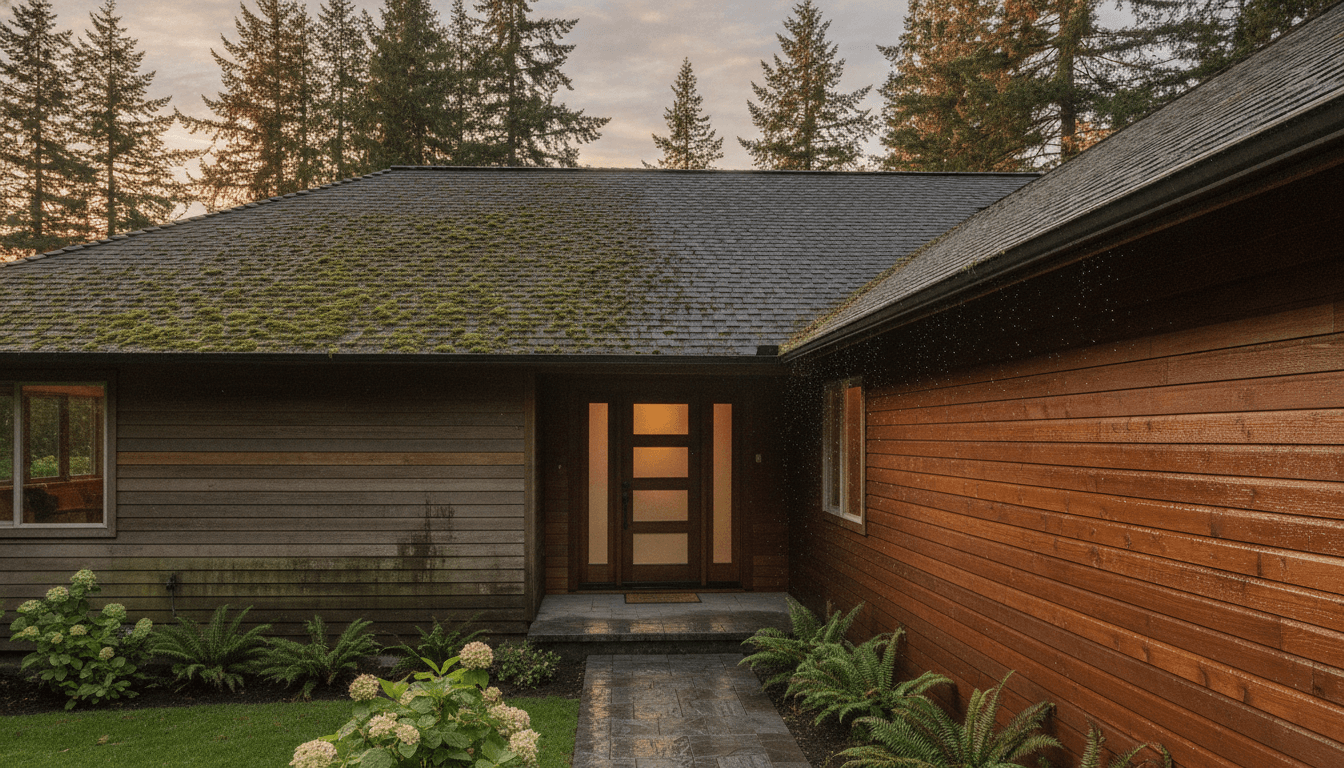
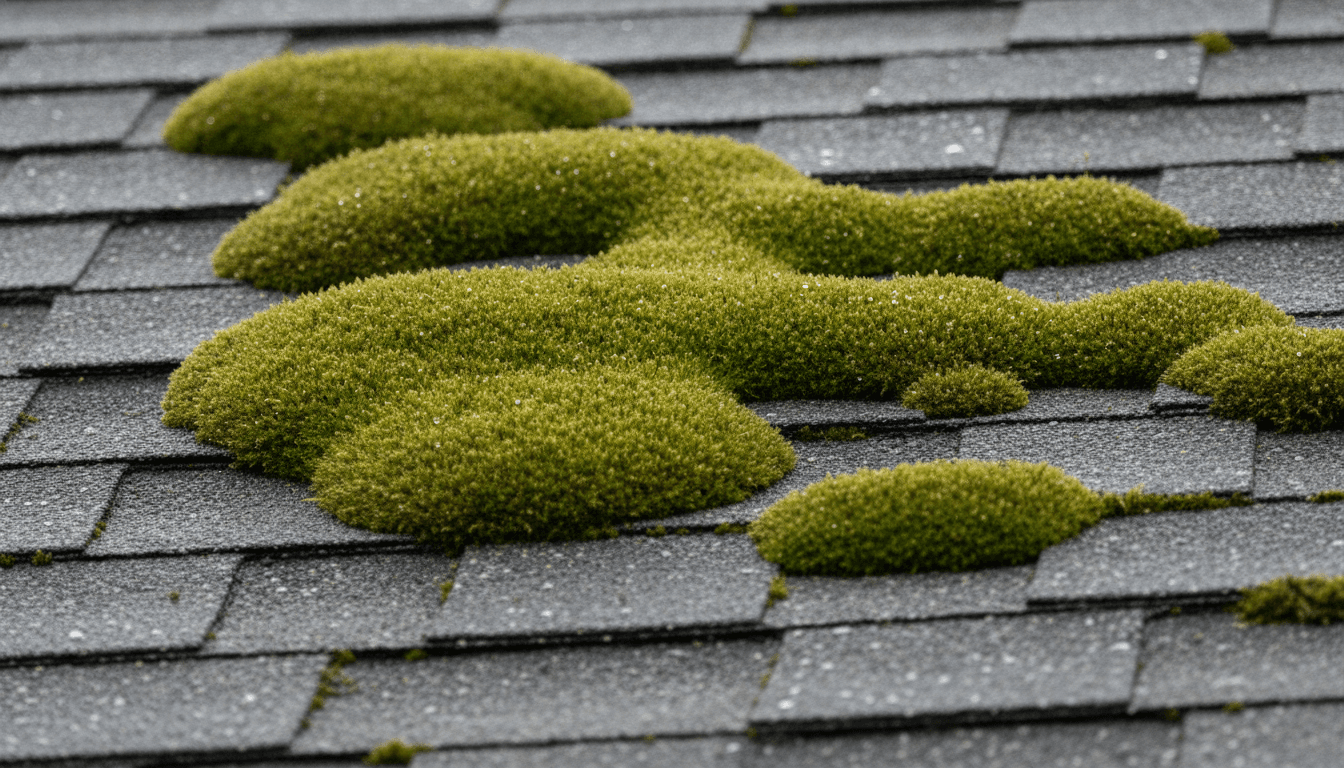
West of the Cascades, roofs grow moss the way lawns grow dandelions. Months of drizzle, deep shade from firs, and a steady drop of needles that hold moisture against the shingles give moss everything it wants.
Left alone, it lifts shingle edges, traps water against the roof deck, and takes years off an asphalt roof. Removal is one of the cheaper roof services you can buy, and keeping the moss from coming back costs even less.
Early fall is the window. A treatment applied in September or October kills the growth before winter rain feeds it, and the wet season then gradually sheds the dead material off the roof.
What Professional Moss Removal Costs in Oregon
Most single-story Oregon homes pay $300 to $800 for a full moss removal, which covers hand removal, a moss-killing treatment, and cleanup of what comes down. Steep pitches, second stories, and thick mats push jobs to $800 to $1,500.
A treatment-only visit, where a technician applies product without physical removal, runs $150 to $400 and suits roofs with light, early growth. Many companies bundle moss work with gutter cleaning for $75 to $200 more, worth doing since clogged gutters feed the problem.
Annual plans exist too. Some Portland-area companies sell a yearly treat-and-inspect visit for $200 to $350, which keeps a shaded roof clean for less than one big removal every few years.
Prices climb near the coast as well. Astoria and the other shoreline towns combine constant moisture with wind exposure, and crews there build travel and weather delays into the bid.
Quotes vary with how companies price risk. Some bid flat by roof size from a satellite photo, while others insist on an on-site look before quoting anything steep, and the second group's numbers hold up better on invoice day.
Do not expect insurance to help. Carriers class moss removal as maintenance, and some Oregon insurers go the other direction, asking for cleanup before renewing a policy when the roof photos show green.
The Methods That Work
Good crews start with hand tools on a dry day: soft brushes, plastic scrapers, and air blowers, working from the ridge down so shingle tabs never lift. The goal is to clear the thick mats without disturbing the granule surface.
A moss-killing treatment follows, usually zinc-based powders or potassium soap solutions applied across the affected slopes. The product kills what brushing could not reach, and the remnants dry out and wash away over the following weeks.
Treatment products fall into two families: fast contact killers that show results in days, and slower minerals like zinc that work across a season. The slow ones double as prevention, which is why crews often finish a removal by spreading granular zinc along the ridge.
The third piece is a follow-up plan. Moss returns to a shaded Willamette Valley roof within two or three years without prevention, so the better companies quote strips, trimming, or an annual treatment before they leave.
Timing matters as much as tools. Crews want a dry roof and a dry forecast, which is why September bookings fill fast in Portland and why mid-winter removals get postponed.
What Not to Do
Pressure washing tops the list of mistakes. The granules on an asphalt shingle are its armor against sun and rain, and a pressure washer strips them by the pound, trading a moss problem for a bald, brittle roof and often a voided warranty.
Straight bleach is the second mistake. Heavy chlorine mixes kill moss and also kill the shrubs below, corrode aluminum gutters, and streak paint, which is why pros use diluted products, rinse everything, and cover plants.
The third mistake sends people to the hospital. Wet moss is as slick as ice, and a western Oregon roof stays wet most of the year. Stay off it unless the surface is dry, and treat anything above one story as a job for someone with fall protection.
One smaller error rounds out the list: raking moss down into the gutters and leaving it there. Those piles hold water, breed new growth, and rot fascia boards.
The pressure washer stays in the garage for tile and metal too. Tile cracks underfoot and metal coatings scar, and both materials have gentler cleaning paths a roofing or exterior cleaning company can walk you through.
Waiting is its own mistake. A thin green fuzz this fall is a $200 treatment, while a three-year mat is a $900 removal, and the difference between them is one skipped season.
DIY or Hire It Out
A homeowner with a one-story house and a gentle pitch can handle moss for $50 to $150 in supplies: a soft brush, a plastic scraper, and a granular zinc treatment. Pick a dry stretch, work from a ladder or a secured spot at the ridge, and never step on wet growth.
Two stories, steep slopes, or thick mats belong with a pro. Companies carry fall protection and insurance, and their $500 invoice is cheap next to an emergency room bill or a cracked shingle field.
If you do any of it yourself, buy a roof harness kit before you buy a drop of moss product. Kits start around $50, the anchor installs in minutes, and it turns a one-slip disaster into a scare.
A middle path works for many households: apply the preventive treatment yourself each fall, then hire out the full removal every few years. Our home maintenance cost guides cover more jobs worth pricing this way.
Prevention That Lasts
Zinc or copper strips installed near the ridge are the classic fix. Rain washes trace metal down the slope and suppresses regrowth for 10 to 15 feet below the strip, and installation runs $150 to $400 depending on roof size and metal choice.
Sunlight beats chemistry, though. Trimming back fir and maple limbs opens the roof to light and cuts the needle load, and on plenty of Eugene and Corvallis lots that single change does more than any product.
Gutter cleaning twice a year rounds it out. Debris sitting in gutters and valleys holds the moisture line right where moss starts.
Attic ventilation plays a quieter role. A well-vented roof dries faster after rain, so if a re-roof is coming anyway, add the ridge vent and give the new surface better odds from day one.
Skip any spray promising one application forever. Nothing on the market ends moss for good in this climate, and a pitch built on that promise should make you cautious about the rest of the quote.
West Side vs East Side: Portland to Bend
Portland, Salem, Eugene, and Corvallis sit in moss country, with 35 to 50 inches of rain a year and long gray stretches between sun breaks. A shaded, north-facing slope in these cities can show green within three years of a cleaning.
Salem, Eugene, and Corvallis price a notch under Portland, with full removals commonly landing between $250 and $700. Coast Range towns run higher once travel time enters the bid.
Bend and the rest of central Oregon live a different life at 10 to 12 inches of rain under high-desert sun. Moss there is rare enough that companies treat removal as an add-on to gutter or roof work rather than a standalone trade.
Microclimates matter more than the city line. A treeless, south-facing roof in Portland can stay clean for a decade, while a fir-shaded roof in the same neighborhood needs attention every other year.
When Moss Means the Roof Is Near the End
Sometimes moss is the messenger, not the problem. Shingles past 20 years with curling edges, thinning granules in the gutters, and moss rooted deep into the mat are telling you the surface has already failed.
Cleaning a roof in that condition can strip what little protection remains. If your roofer suggests putting the $500 removal fee toward a replacement estimate instead, take the advice seriously and get a second opinion from the roofing companies serving your part of Oregon.
A quick test is age plus attachment. Under 15 years old with moss that brushes off clean, protect the roof and keep it. Past 20 with moss that tears shingle surface away as it comes up, stop spending on cleanings.
Oregon Roof Moss FAQ
How often should moss be removed in western Oregon?
Plan on a full removal every two to three years for shaded roofs in the Willamette Valley, with a preventive treatment each fall in between. Sunny, exposed roofs can go five years or more.
What time of year is best for moss treatment in Oregon?
September and October beat everything else. The treatment kills growth before the winter rain arrives, and the wet season then sheds the dead moss gradually instead of leaving it baked on through summer.
Do zinc strips keep moss off a roof?
They suppress regrowth for roughly 10 to 15 feet below the strip, which covers most of a single-story slope. Taller roofs may need a second strip partway down for full coverage.
Will moss removal damage my shingles?
Not when it is done with hand tools on a dry roof followed by a chemical treatment. The damage comes from pressure washing and hard scraping, which strip the granule layer that protects the shingle.
How much does moss removal cost in Portland, OR?
Most Portland homes pay $350 to $900, a touch above the state average because of labor rates and the number of tall, steep older roofs. Bundling gutter cleaning usually adds $100 to $200.